No items found.
Smoking can cause significant skin damage, affecting both overall skin health and its appearance. However, smoking damage can be severe, but there are ways to reverse skin damage caused by smoking. For example, various lifestyle changes and skincare routines can help mitigate and reverse the effects of smoking on the skin. In addition, nonsurgical aesthetic treatments, such as those available at The Rejuva Center, can help improve the look of your skin.
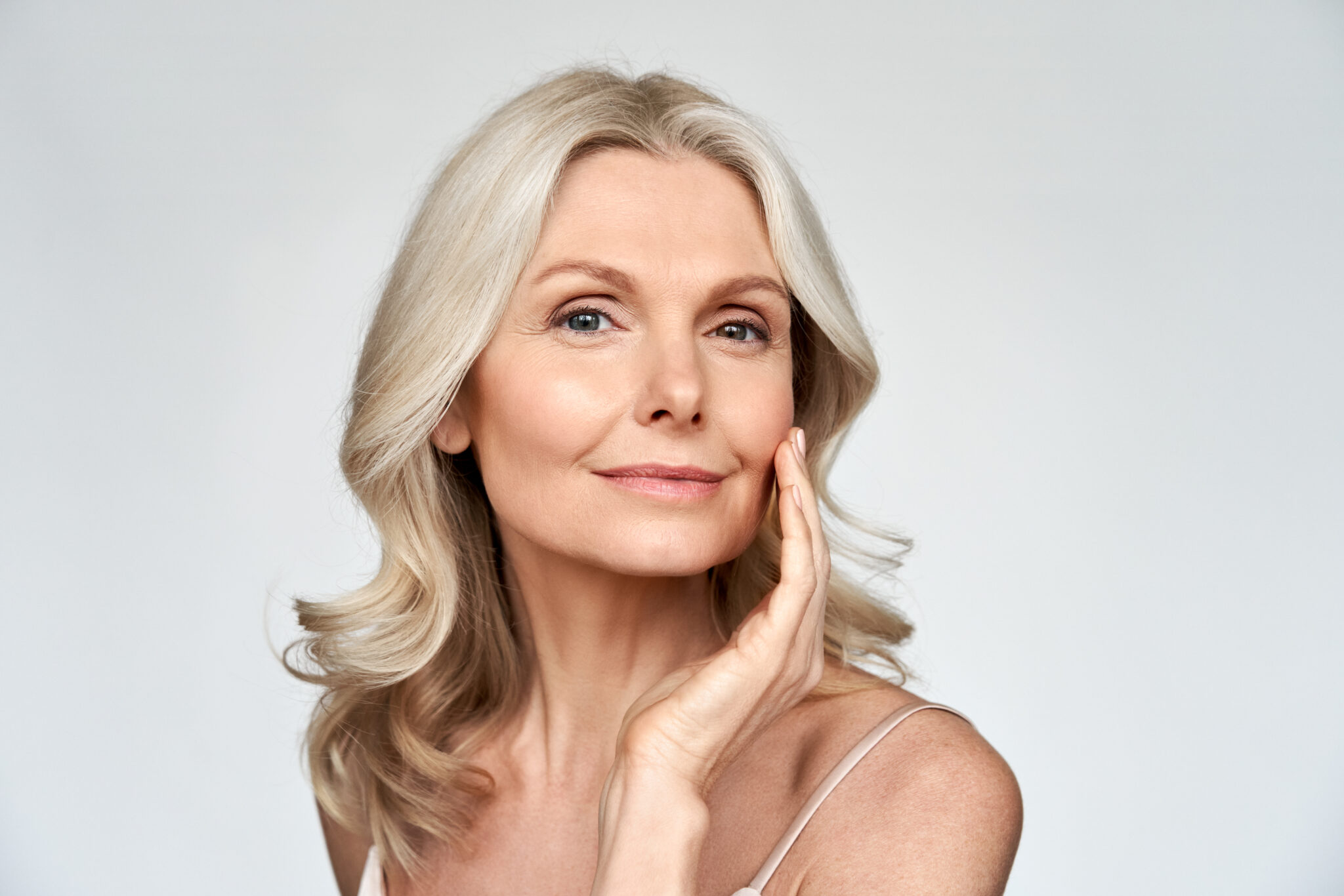
Smoking cigarettes is highly addictive with many health effects, and excessive smoking over time can contribute to several skin problems, including premature aging, fine lines, wrinkles, and uneven skin tone. In the worst cases, it can contribute to more severe skin conditions, including cancer. Notably, the effect of smoking on the skin is both external and internal, as the damage impacts the skin’s structure, elasticity, and overall vitality.
Tobacco smoke contains thousands of harmful substances, including carcinogens, which can affect different areas of the body, including the skin. Specifically, regular smoking deprives the skin of oxygen and nutrients. As a result, toxins accumulate in the body, which affects skin cell turnover and melanin production, ultimately leading to skin damage that can be attributed to smoking.
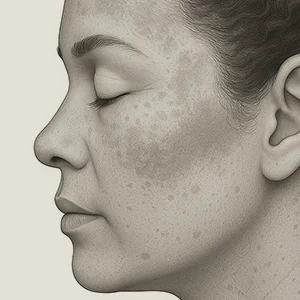
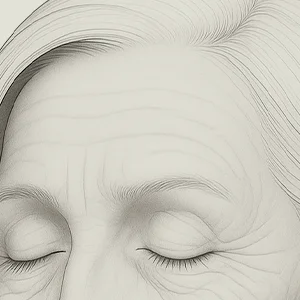
Smoking also accelerates the aging process of the skin because of the lack of oxygen and circulation, damaging the skin over time and leading to the premature development of wrinkles, fine lines, and facial sagging. For these same reasons, smoking also causes skin discoloration and uneven skin tone, which could manifest as a dull, grayish complexion.
Similarly, nicotine, a key component in tobacco and vape devices, also inhibits blood circulation, delays wound healing, and contributes to the acceleration of the aging process. This reduction in circulation deprives the skin of essential nutrients and oxygen, exacerbating the negative impact on skin health and appearance.
Many different nonsurgical aesthetic treatments offered at The Rejuva Center can help manage and possibly even reverse the effects of smoking on the skin.
First, topical solutions, such as laser treatments and chemical peels, can help treat the effects of smoking on the skin by working from the outside in, resurfacing the skin and helping revitalize areas damaged by smoking.
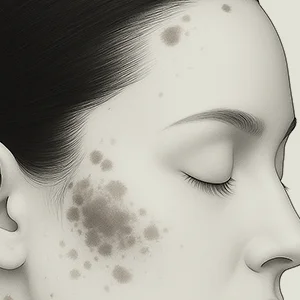
Laser treatments, such as intense pulsed light or IPL therapy, target many of the specific skin concerns associated with smoking, including wrinkles, hyperpigmentation, and uneven skin tone. Laser IPL treatments also stimulate collagen production, promoting skin renewal and improving overall skin quality, which can make the effects of smoking less severe.
Similarly, chemical peels, which involve the application of a chemical solution to the surface of the skin, can also reverse smoking damage. Chemical peels exfoliate, or remove, the outer layer of the skin. This, in turn, stimulates cell turnover and promotes collagen production. Trichloroacetic acid (or TCA) peels, such as those offered at The Rejuva Center, address various skin concerns associated with smoking, including fine lines, uneven skin tone, and texture irregularities.
Rejuvenation treatments such as injectable fillers and Botox® are another option for reversing skin damage from smoking. Both Botox® and fillers are common nonsurgical treatment options that can help target the fine lines and wrinkles that appear because of smoking.
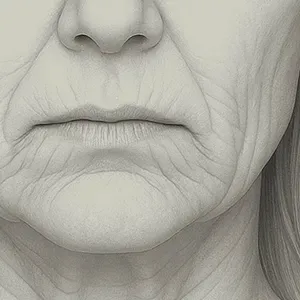
Specifically, these treatments can help reverse smoker’s lips and other wrinkles around the mouth. Botox® is a neuromodulator that effectively freezes the muscles where it is injected. This relaxes that part of the face, helping to reduce the appearance of wrinkles.
Fillers work differently. They can help add volume to certain areas of the face, including the lips, which may have lost volume because of the effects of smoking.
In addition to aesthetic skincare treatments such as chemical peels and Botox®, there are several steps you can take at home to reduce and manage damage to the skin caused by smoking.
When it comes to reversing skin damage caused by smoking, the number one thing you can do is quit smoking. In fact, according to one study, some signs of aging are accelerated by smoking. These include age spots and hyperpigmentation, which can begin to repair themselves in as little as four to 12 weeks after you quit smoking. Other positive improvements you can expect to your skin after you quit smoking include increased collagen production and a brighter complexion.
In addition to quitting smoking, you can take several other steps in terms of lifestyle adjustments that can enhance your skin health after smoking. These steps include:
Managing and even reversing the effects of smoking on the skin is possible; however, it takes time and effort and possibly professional intervention. If you think that you might benefit from the rejuvenating effects of nonsurgical aesthetic skincare for smoking damage, don’t be afraid to reach out and schedule your consultation at The Rejuva Center today.