No items found.
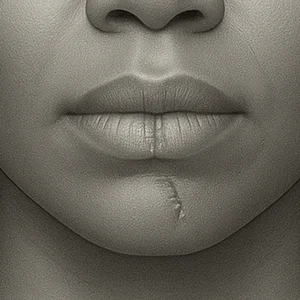
Visible marks left after surgery, injury, or trauma that can appear raised, indented, or discolored.
Scars form as part of the skin’s natural healing response after surgery, injury, or trauma. Depending on depth and healing, they may appear raised (hypertrophic), indented (atrophic), or discolored, often leaving skin texture and tone uneven.
Treatment depends on scar type and location. Options include microneedling or RF microneedling to stimulate collagen and soften indented scars, TCA or custom chemical peels to resurface and smooth texture, and laser/light treatments like IPL or Sciton Moxi to reduce redness and discoloration. DiamondGlow, dermaplaning, and medical-grade skincare may be used to further refine the scar’s appearance over time.
Adults with healed surgical or injury-related scars seeking gradual, non-surgical improvement in scar texture or discoloration.


Click on an area to learn more about treatments that can enhance and rejuvenate it.
.webp)
Mandibular border and soft tissue that define lower-face contour; influenced by bone, fat pads, skin quality, and masseter bulk.
Text LinkChin projection and pad/mentalis complex affecting profile balance, dimpling, and the labiomental fold.
Text LinkFrontalis muscle and overlying skin spanning the upper face; repetitive movement creates horizontal lines and heaviness.
Text LinkPlatysma muscle and cervical soft tissue; vertical banding, laxity, and submental fullness can age the neck profile.
Text LinkTemporal fossa/soft tissue that frames the lateral brow and forehead; hollowing can age the upper face.
Text LinkSupraorbital ridge and overlying soft tissue framing the eyes; heaviness or asymmetry can affect eye openness and expression.
Text LinkLorem ipsum dolor sit amet, consectetur adipiscing elit. Suspendisse varius enim in eros elementum tristique. Duis cursus, mi quis viverra ornare, eros dolor interdum nulla, ut commodo diam libero vitae erat. Aenean faucibus nibh et justo cursus id rutrum lorem imperdiet. Nunc ut sem vitae risus tristique posuere.
See treatments
Mandibular border and soft tissue that define lower-face contour; influenced by bone, fat pads, skin quality, and masseter bulk.
Text LinkChin projection and pad/mentalis complex affecting profile balance, dimpling, and the labiomental fold.
Text LinkFrontalis muscle and overlying skin spanning the upper face; repetitive movement creates horizontal lines and heaviness.
Text LinkPlatysma muscle and cervical soft tissue; vertical banding, laxity, and submental fullness can age the neck profile.
Text LinkTemporal fossa/soft tissue that frames the lateral brow and forehead; hollowing can age the upper face.
Text LinkSupraorbital ridge and overlying soft tissue framing the eyes; heaviness or asymmetry can affect eye openness and expression.
Text LinkLorem ipsum dolor sit amet, consectetur adipiscing elit. Suspendisse varius enim in eros elementum tristique. Duis cursus, mi quis viverra ornare, eros dolor interdum nulla, ut commodo diam libero vitae erat. Aenean faucibus nibh et justo cursus id rutrum lorem imperdiet. Nunc ut sem vitae risus tristique posuere.
See treatments