No items found.
A wise person once said, “Looking young never gets old.” If you’re starting to see fine lines and wrinkles while looking in the mirror, it might be time to consider non-surgical treatments like Botox® or Dysport®. These types of neurotoxin injections help soften fine lines and wrinkles. Although similar, Botox® and Dysport® have a few significant differences. Learning more about these popular treatments will help determine which one is right for you.

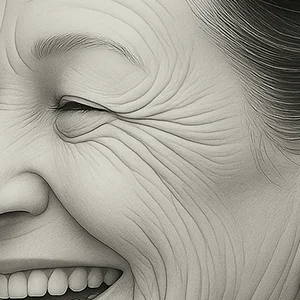
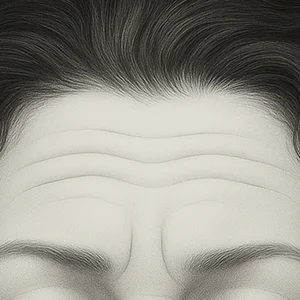
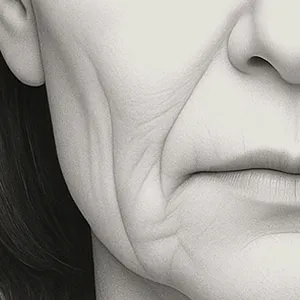
Neurotoxin injections are made from bacteria that produce neurotoxins, which are proteins that block the ability of a chemical called acetylcholine to get to your muscles. This chemical makes facial muscles contract. When small doses of neurotoxins are injected, the muscle tissues relax instead of contract. This means patients won’t be able to furrow their brow or frown — two of the most common wrinkle-causing actions. A person who is unable to furrow or frown will notice the existing fine lines and wrinkles begin to soften naturally and new ones will not be created. In other words, the skin will look smoother and younger.
Neurotoxin injections are quick, easy, and safe. The neurotoxin stays in the targeted muscle where it’s injected and does not travel throughout the body.
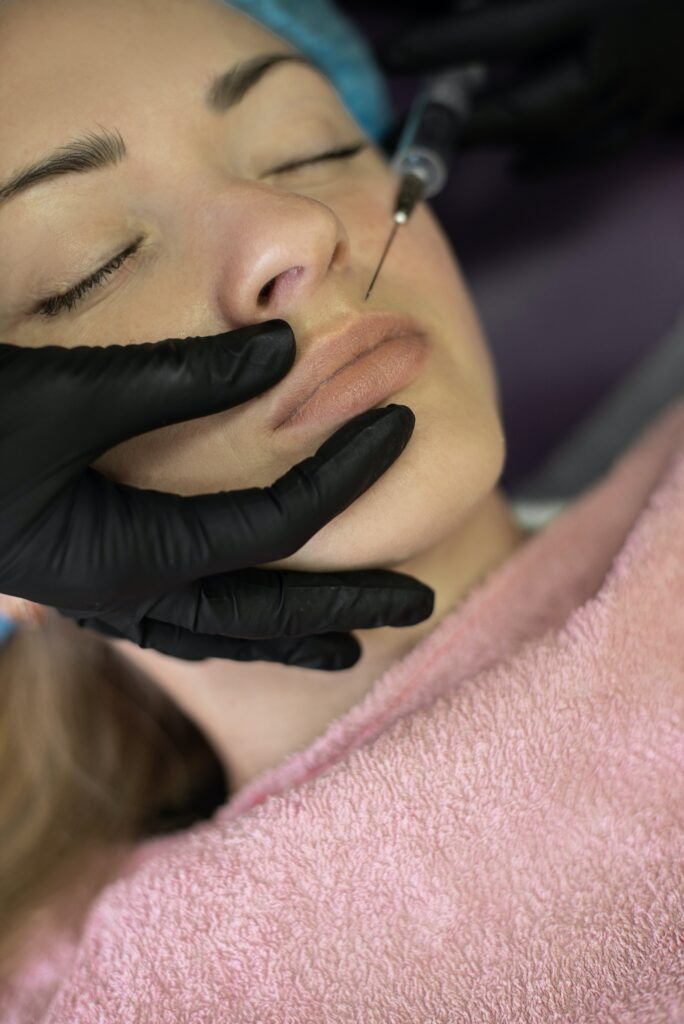
Fillers such as Juvéderm® and Restylane® add volume to the face, but Botox® and Dysport® do not. Instead, these neurotoxin injections soften fine lines and wrinkles by relaxing the muscles that cause them. Although Botox® and Dysport® are similar in this way, procedures are different in others. To determine which treatment is right for you, it’s important to take time to learn about each type.
Botox® is an injectable cosmetic treatment that contains a neurotoxin called onobotulinumtoxinA. This neurotoxin comes from a bacterium found in nature that causes botulism, a kind of food poisoning. Botox® was first approved by the Food and Drug Administration (FDA) in 1989 for the treatment of eye disorders. By 2002, the FDA had approved its use for cosmetic purposes.
Today, Botox® is recommended for treatment of a variety of fine lines and wrinkles including:
Botox® injections that are administered by a trained and experienced professional is virtually pain-free. And the procedure is usually complete in 30 minutes or less. Patients should anticipate experiencing little to no downtime and only minor side effects if any. These can include:
Usually, the effects of Botox® injections can be seen within a few days of treatment. The results can last for up to six months. With consistent treatment, patients are likely to notice fewer lines and wrinkles forming.
Botox® has many uses beyond cosmetic treatment. It’s also used to treat:
Botox® is not a cure for conditions like migraine headache, TMJ, or overactive bladder, but it can help alleviate symptoms with each. The advantage of Botox® as compared to other medicines for these conditions is that it only needs to be administered three or four times per year instead of daily.
Dysport® is an injectable cosmetic treatment that contains a neurotoxin called abobotulinumtoxinA. Like Botox®, it helps to improve the appearance of facial lines. However, unlike Botox® — which treats a variety of lines and wrinkles, Dysport® is especially effective for treating glabellar lines that develop between your eyebrows. Dysport® was approved for cosmetic treatment by the FDA in 2009.
Like Botox® treatments, Dysport® injections that are administered by a trained, experienced professional can lead to little to no downtime and are virtually painless. For treatment of glabellar lines, patients can expect to receive at least five injections in different spots between the eyebrows. If side effects occur, it is usually minimal and can include:
Patients may notice the effects of Dysport® as quickly as two days after receiving treatment. The positive results from treatment can last up to four months.
Dysport® is used primarily for cosmetic treatments.
Responses to neurotoxins can vary for each person. For instance, if those with a lactose (cow’s milk) allergy should choose Dysport® over Botox®, as the latter contains traces of cow’s milk proteins. Also, people who receive Botox® for migraines or other medical conditions might see better results by using Dysport® for cosmetic treatments.
Botulinum toxin injections are designed for people from 18 to 65 years of age. In addition to people who don’t fall within this age group, those who should not have these treatments include:
Before having one of these treatments, talk to your doctor if you are pregnant or have any underlying condition like asthma, diabetes, heart disease, or hypertension.

When it comes to Dysport® vs. Botox® cost, patients may find that they will pay a little less for Dysport® than Botox®. Botox® treatments last a bit longer on average and targets more areas of the face than Dysport®.
Because there are many providers offering Botox® and Dysport® treatments, it’s important to choose a facility that makes you feel comfortable. To find the best Botox® and Dysport® provider:
If you’re interested in Botox® or Dysport® treatments or learning about other antiaging procedures, schedule a consultation with a specialist at The Rejuva Center in Albany, New York. Provide your information online or call 518-308-4117 for assistance.